
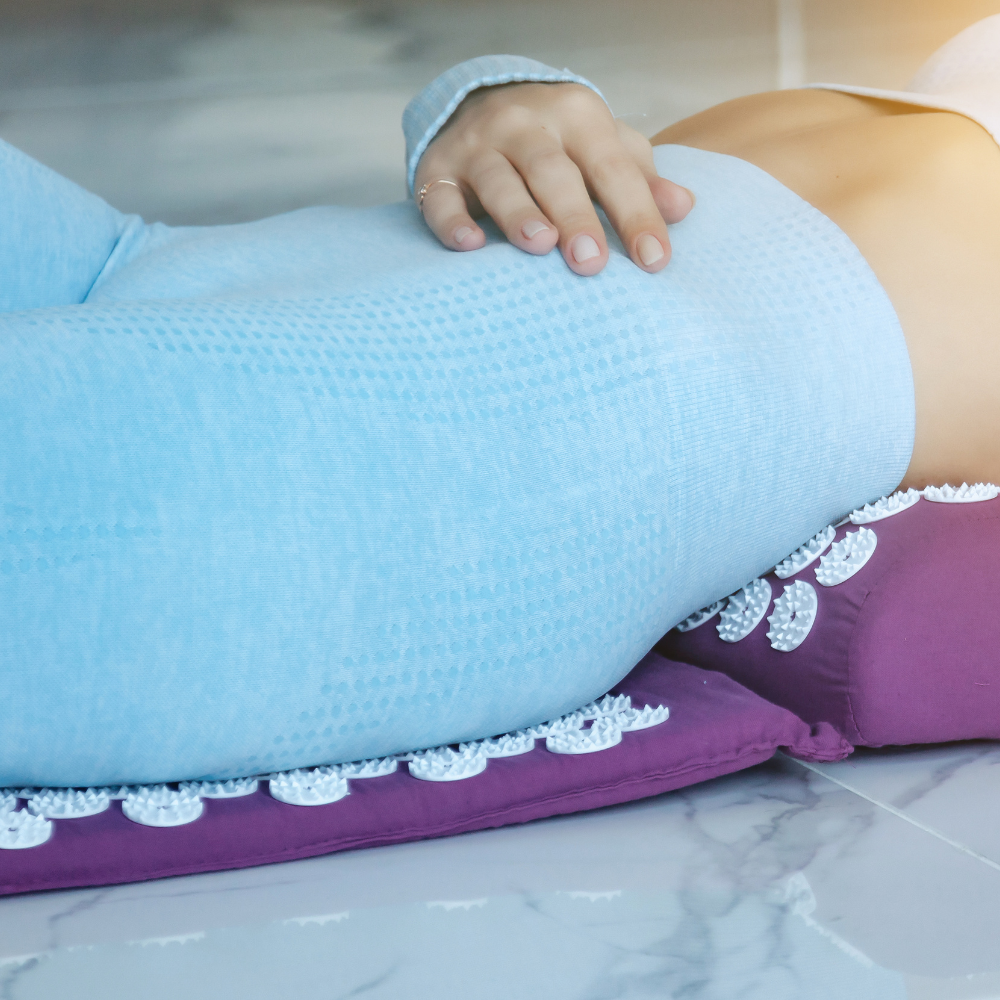
4 acupressure exercises to do at home for optimal well-being
4 acupressure exercises to do at home for optimal well-being
In our modern society, stress, muscle tension, and sleep disorders have become commonplace. Fortunately, there are natural and effective solutions to relieve these ailments and regain optimal well-being. Among these, acupressure, an ancient technique derived from traditional Chinese medicine, proves to be particularly relevant. By stimulating specific points on the body, acupressure helps rebalance the flow of vital energy (Qi), thereby relieving tension, pain, and imbalances. Discover 4 simple exercises in this article to perform at home, and learn how to optimize your sessions through the use of acupressure mats.
Discovering acupressure: a holistic approach to well-being
Acupressure, often confused with acupuncture, is a manual technique that consists of applying pressure to specific points on the body, known as acupressure or energy points. Unlike acupuncture, which uses needles, acupressure uses only fingers, thumbs, or specific tools to stimulate these points. This pressure, applied gently but firmly, helps regulate the flow of energy and relieve various ailments.
This holistic approach views the body as an interconnected system. Each acupressure point is linked to a specific organ, function, or energy meridian. By acting on these points, the goal is to restore energy balance and promote the body's self-healing.
The multiple benefits of acupressure
The benefits of acupressure are numerous and varied. It can help you to:
- Relieve muscle and joint pain: Back pain, neck pain, tendonitis... acupressure can provide significant relief by releasing muscle tension and improving blood circulation.
- Reduce stress and anxiety: By stimulating certain acupressure points, you can calm your nervous system, reduce the production of cortisol (the stress hormone), and promote a state of deep relaxation.
- Improve sleep quality: Acupressure can help regulate your sleep-wake cycle, reduce insomnia, and promote restful sleep.
- Stimulate blood circulation: By improving blood circulation, acupressure promotes tissue oxygenation and the elimination of toxins, which contributes to better overall health.
- Strengthen the immune system: Some studies suggest that acupressure may help strengthen the immune system by stimulating the production of immune cells.
- Relieve digestive disorders: Acupressure can help relieve digestive issues such as bloating, nausea, and constipation.
- Manage menstrual pain: Acupressure can help relieve cramps and pain associated with periods.
4 acupressure exercises easy to do at home
Here are 4 simple and effective exercises you can do at home at any time of the day. For a more intense and relaxing experience, do not hesitate to use a FlowerRest acupressure mat, a FlowerRest 2.0 acupressure mat, or a Lotuscare acupressure mat. These mats are designed with spikes that stimulate acupressure points gently yet effectively, providing you with deep relaxation and lasting relief.


Exercise 1: The Spleen 6 (SP6) point to relieve menstrual pain and digestive problems
Locate the SP6 point about 4 finger-widths above the inner ankle, on the inside of the leg. Apply firm but comfortable pressure with your thumb for 2 to 3 minutes per side, breathing deeply and regularly. You may feel a slight sensation of pain or tension at first, which is normal. For better results, use your FlowerRest acupressure mat for a broader and deeper stimulation of the area.
Exercise 2: The Kidney 1 (K1) point to calm anxiety and improve sleep quality
The K1 point, also called Yongquan, is located at the base of the big toe, in the hollowest part of the sole of the foot. Massage this point by making small circles with your thumb for 1 to 2 minutes per foot. You can also use a small massage ball for more precise stimulation. The sensation should be pleasant and relaxing. For better results, lie on your FlowerRest 2.0 acupressure mat after this exercise for complete relaxation.
Exercise 3: The Pericardium 6 (PC6) point to reduce stress, nausea, and vomiting
The PC6 point, also called Nei-Guan, is located on the inside of the wrist, between the two tendons. To locate it, place three fingers (index, middle, and ring) on your wrist crease, positioning your index finger on the tendon of the flexor carpi radialis muscle. The PC6 point is just below your middle finger. Apply firm and steady pressure for 1 to 2 minutes per wrist. This exercise is particularly useful for managing stress and relieving nausea. The comfort provided by the Lotuscare acupressure mat could further improve the effectiveness of the technique.
Exercise 4: The Gallbladder 20 (GB20) point to relieve headaches and neck tension
The GB20 point, or Fengchi, is located at the base of the skull, in the depression between the occiput (base of the skull) and the lower jaw, on each side of the neck. Apply firm and steady pressure for 2 to 3 minutes on each point. You can use your thumb or index finger. This exercise is very effective for relieving tension headaches and neck tension. After the exercise, try to relax completely on your FlowerRest acupressure mat for optimal muscle relaxation.
Tips for optimal acupressure practice
To get the most out of acupressure, here are some useful tips:
- Choose a quiet and peaceful place: Find a quiet and relaxed place to perform your acupressure exercises. Turn off your phone and create a relaxing atmosphere.
- Breathe deeply: While applying pressure to the acupressure points, breathe deeply and regularly. This will help relax your body and mind.
- Be patient and consistent: The results of acupressure are not always immediate. It is important to be patient and consistent in your practice to fully feel its benefits. Try to practice your exercises daily for at least a few minutes.
- Listen to your body: If you feel intense pain, reduce the pressure or stop the exercise. Acupressure should be a pleasant and relaxing experience.
- Use an acupressure mat: Acupressure mats, such as the FlowerRest, the FlowerRest 2.0, or the Lotuscare, can amplify the effects of acupressure by stimulating a larger area of your body.
Conclusion: Regain your well-being through acupressure
Acupressure is a simple, natural, and effective technique to relieve various ailments and improve your overall well-being. By integrating these exercises into your daily routine, you can help reduce stress, improve the quality of your sleep, and relieve muscle tension. Do not hesitate to experiment and discover the benefits of this ancient technique. With patience and consistency, you will soon be able to enjoy a more relaxed body and a calmer mind. And don't forget to use our acupressure mats for optimal comfort!