
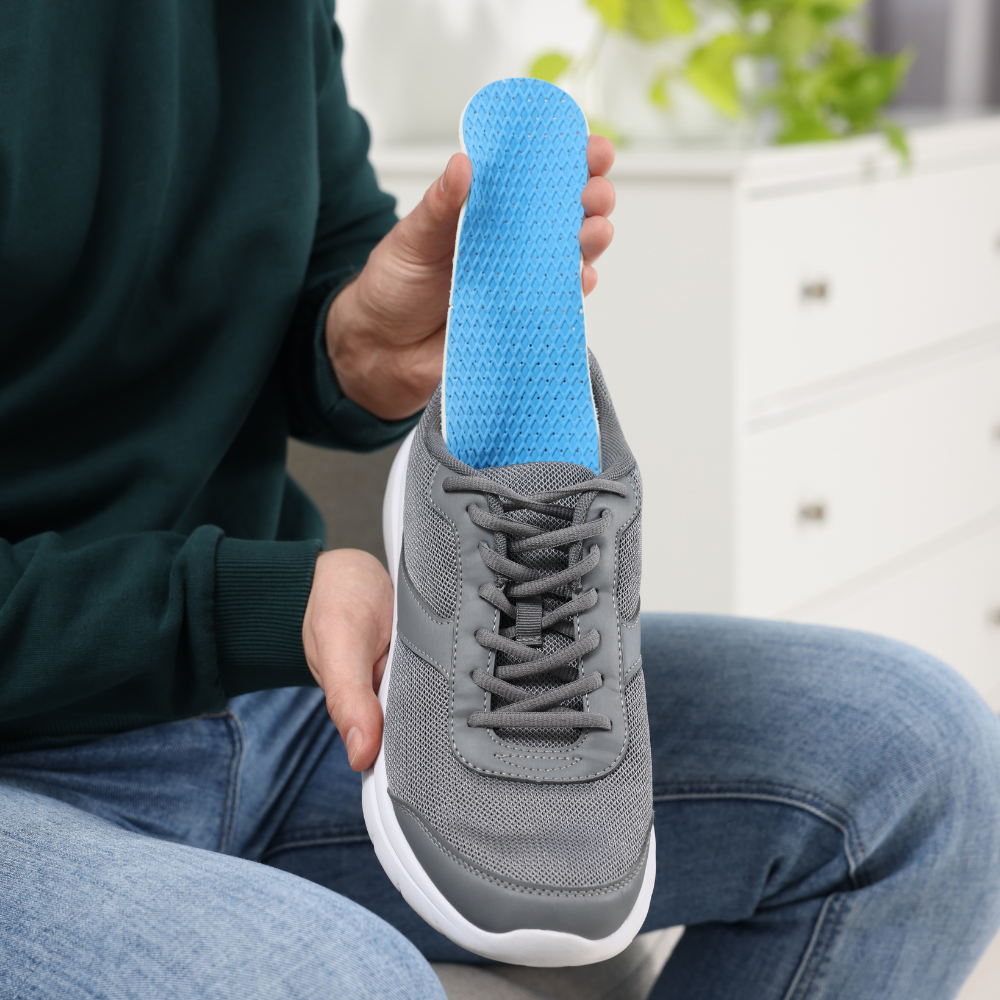
How to choose your orthopedic insoles? Soft or rigid: the complete guide
An investment in your well-being: choosing the right orthopedic insoles
Do you suffer from foot, ankle, knee, or back pain? Are you looking for solutions to improve your posture and relieve your pain? Orthopedic insoles can be the ideal answer, but faced with the multitude of options available, you may be asking yourself: "How do I choose the orthopedic insoles that are right for me?"
Orthopedic insoles are personalized devices inserted into shoes to correct biomechanical imbalances and alleviate pain related to the feet, ankles, knees, and even the back. They adapt to the unique shape of your foot and offer extra support and cushioning, thereby improving your comfort and mobility.
But with so many models, materials, and levels of rigidity available, finding the perfect insoles can seem daunting. That is where this comprehensive guide comes in to help you make the best choice for your needs.
Key criteria for choosing your orthopedic insoles
Several key elements must be taken into account when choosing your orthopedic insoles. Understanding these criteria will allow you to select the insoles best suited to your situation:
1. Rigidity: soft or rigid?
The rigidity of orthopedic insoles is a crucial factor to consider. It determines the level of support and correction offered by the insoles and can have a significant impact on your comfort and your gait.
- Soft insoles are generally recommended for people suffering from foot pain due to excessive pronation (feet rolling inward). They offer support and cushioning adapted to a softer gait. The Z400 memory foam cotton orthopedic insoles are an excellent example of this type of insole.
- Rigid insoles, on the other hand, are advised for people suffering from supination (feet rolling outward) or flat feet. They offer firm support and greater posture correction. The Z500 leather orthopedic insoles are a popular choice for this type of need.
It is important to note that the choice between soft and rigid insoles is subjective. It is always recommended to consult a healthcare professional, such as a podiatrist or an orthopedist, to obtain personalized advice.
2. Material: finding the material that suits you
The choice of material is also essential for the comfort and performance of your orthopedic insoles. The most common materials include:
- Memory foam cotton: Memory foam cotton is known for its ability to adapt to the shape of your foot and provide optimal cushioning. The Z400 memory foam cotton orthopedic insoles offer exceptional comfort and effective shock absorption, thanks to their soft and adaptable material. They are ideal for people suffering from pain in the feet, ankles, or back.
- Leather: Leather is a durable and breathable material, offering firm support and optimal hold. The Z500 leather orthopedic insoles are designed for maximum support and protection. High-quality leather offers resistance and optimal hold. They are ideal for people suffering from supination, flat feet, or pain in the feet, ankles, or back.
- Silicone: Silicone is a soft and lightweight material, offering great resistance to water and tearing. It is often used for orthopedic insoles designed for sports activities or for people with perspiration problems.
3. Size and fit: choosing the right size
The size and fit of your orthopedic insoles are essential for optimal comfort. Choose the size that corresponds to your shoe size. If you are hesitating between two sizes, opt for the larger size. It is important to note that orthopedic insoles should be long enough to cover the entire length of your foot and wide enough to avoid any friction.

4. Additional features: look for the options that interest you
Some orthopedic insoles offer additional features to meet specific needs. For example, some insoles may include arch supports to support the arch of the foot, heel pads to absorb shocks, or ankle stabilizers to provide extra support.

Tips for choosing the best orthopedic insoles for you
Now that you have a better understanding of the key criteria for choosing your orthopedic insoles, here are some additional tips to help you make the right choice:
- Consult a healthcare professional: A podiatrist, an orthopedist, or a physiotherapist can help you identify the causes of your pain and recommend the orthopedic insoles best suited to your situation.
- Try different brands and models: Do not hesitate to try different brands and models of orthopedic insoles to find those that offer you the best comfort and support.
- Read customer reviews carefully: Customer reviews can give you an overview of the pros and cons of different insole models.
- Pay attention to the warranty: Some brands offer a warranty on their orthopedic insoles, giving you the assurance of being able to return or exchange them if they do not suit you.
Conclusion: Finding the ideal insoles for better comfort
Choosing the right orthopedic insoles is an investment in your comfort and well-being. By taking key criteria into account and following our tips, you can find the ideal insoles to relieve your pain, improve your posture, and enjoy a better quality of life. Do not hesitate to consult a healthcare professional for personalized advice and to explore the different options available at Ledoscare.