
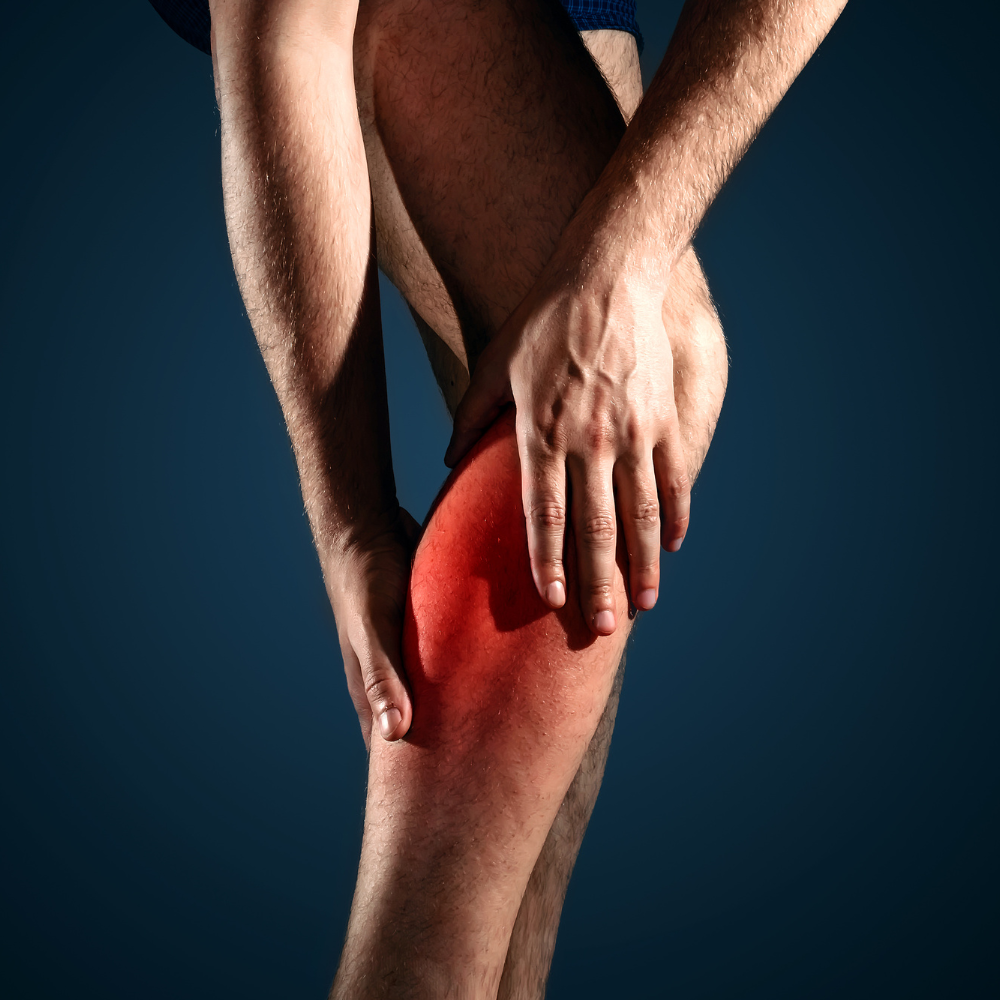
Calf Pain: Definitions, Causes, Symptoms, and Solutions
What is calf pain?
Calf pain is a common symptom that can affect people of all ages and all levels of physical activity. The calf, located at the back of the lower leg, is composed of two main muscles: the gastrocnemius and the soleus. These muscles are responsible for flexing the foot and ankle, and they play a crucial role in walking, running, and jumping.
Calf pain can be felt as discomfort, sharp pain, or a burning sensation. It can be localized to a specific spot in the calf or spread throughout its entire length. It can also be accompanied by other symptoms, such as swelling, redness, warmth, numbness, or weakness.
Common causes of calf pain
Calf pain can be caused by a variety of factors, ranging from simple muscle cramps to more serious conditions. Here are some of the most common causes:
1. Muscle cramps
Muscle cramps are sudden, involuntary, and painful contractions of a muscle. They are often caused by dehydration, intense physical exertion, a lack of certain nutrients (such as magnesium and potassium), exposure to cold, or maintaining a position for too long. Calf cramps are particularly common in athletes, pregnant women, and the elderly.
2. Sprains and muscle tears
A calf sprain occurs when one or more ligaments in the calf are stretched or torn. This can happen during a misstep, a fall, or a direct impact to the leg. A calf muscle tear, on the other hand, occurs when the muscle fibers are torn. This injury is often caused by intense physical exertion or poor warm-up.
3. Deep Vein Thrombosis (DVT)
DVT is a serious condition that occurs when a blood clot forms in a deep vein in the leg, most often in the calf. DVT can cause pain, swelling, redness, and warmth in the affected area. Risk factors for DVT include sedentary lifestyle, long-distance air travel, pregnancy, taking certain medications, and certain health problems, such as cancer or heart failure.
4. Thoracic outlet syndrome
Thoracic outlet syndrome is a condition that occurs when the nerves and blood vessels in the space between the collarbone and the first rib are compressed. This can lead to calf pain, weakness, numbness, and tingling in the arms and hands. Thoracic outlet syndrome is often caused by poor posture, repetitive movements, a shoulder injury, or pregnancy.
5. Arthritis
Arthritis can affect the joints of the foot and ankle, which can cause pain that radiates up to the calf. Arthritis can also lead to stiffness, swelling, and reduced mobility of the ankle.
6. Sciatica
Sciatica is pain that radiates from the spine down to the leg, along the sciatic nerve. It can cause calf pain, weakness, numbness, and tingling in the leg. Sciatica is often caused by a herniated disc, spinal stenosis, or compression of the sciatic nerve.
7. Achilles tendinitis
Achilles tendinitis is inflammation of the Achilles tendon, which connects the calf muscles to the heel bone. This condition is often caused by overuse, poor warm-up, inadequate footwear, or uneven running surfaces. Achilles tendinitis can lead to heel and calf pain, as well as stiffness in the tendon.
8. Compartment syndrome
Compartment syndrome is a rare condition that occurs when the pressure in a muscle compartment of the leg increases, which compresses the nerves and blood vessels. This pressure can be caused by trauma, intense physical activity, or swelling. Compartment syndrome can lead to intense pain, numbness, tingling, and weakness in the calf. It is important to see a doctor immediately if you think you have compartment syndrome.

Symptoms of calf pain
The symptoms of calf pain vary depending on the cause. Here are some of the most common symptoms:
- Sharp or stabbing pain
- Pain that worsens during physical activity
- Pain that radiates to the foot or ankle
- Pain that worsens at night
- Stiffness in the calf
- Swelling of the calf
- Redness or warmth in the calf
- Numbness or tingling in the calf or foot
- Weakness in the calf or foot
- Difficulty walking or running
Diagnosis of calf pain
To diagnose the cause of your calf pain, your doctor will ask about your symptoms, your medical history, and your recent activities. They will also perform a physical examination, by palpating your calf and evaluating your range of motion. Depending on your symptoms, your doctor may recommend additional tests, such as an X-ray, an MRI, or an ultrasound.
Treatment for calf pain
Treatment for calf pain depends on the cause. Here are some common treatment options:
1. Rest
Avoid any activity that worsens the pain. If you have a sprain or muscle tear, it is important to keep the calf rested for several days or weeks.
2. Ice
Apply ice to the affected area for 15 to 20 minutes at a time, several times a day. Ice helps reduce inflammation and pain.
3. Compression
Wrap the affected area in a compression bandage to help reduce swelling and support the calf.
4. Elevation
Raise the affected leg above heart level to help reduce swelling.
5. Medication
Over-the-counter pain relievers, such as ibuprofen or naproxen, can help relieve pain and inflammation. If the pain is more intense, your doctor may prescribe stronger medications, such as opioids or corticosteroids.
6. Physical therapy
A physical therapist can help you improve the flexibility, strength, and mobility of your calf. They can also teach you exercises to strengthen the calf muscles and prevent future injuries.
7. Acupressure
Acupressure is a traditional Chinese medicine technique that involves applying pressure to specific points on the body to relieve pain and improve blood circulation. To relieve calf pain, you can use a Lotuscare acupressure cushion. This cushion is made of 100% buckwheat hulls, making it perfectly padded for optimal relaxation and relief. It is designed to relieve several parts of the body, including the feet, thighs, buttocks, neck, back, and chest. The pressure of the lotus flowers stimulates acupuncture points to improve blood circulation and reduce pain. You can also find specific acupressure points for calf pain on acupressure charts or online.
8. Surgery
In some cases, surgery may be necessary to treat calf pain. For example, if you have a herniated disc that is compressing the sciatic nerve, surgery may be required to remove the hernia. Surgery may also be necessary to repair a severe muscle tear or to remove a blood clot in a deep vein.
Prevention of calf pain
There are several steps you can take to prevent calf pain, including:
- Warm up properly before physical exercise: A good warm-up helps prepare your muscles for exertion and reduces the risk of injury.
- Stretch regularly: Regular stretching can help improve the flexibility of your muscles and tendons, which can reduce the risk of cramps and sprains.
- Wear supportive shoes: Well-fitting, supportive shoes can help prevent foot and ankle injuries.
- Maintain a healthy weight: Being overweight or obese can put extra pressure on your muscles and joints, increasing the risk of calf pain.
- Avoid smoking: Smoking can reduce blood flow to the legs, which can increase the risk of blood clots and DVT.
- Drink enough water: Dehydration can contribute to muscle cramps, so it is important to drink enough water throughout the day.
- Eat a healthy diet: A diet rich in fruits, vegetables, and whole grains can help you get the nutrients you need to maintain healthy muscles.
When to see a doctor?
See a doctor if you experience calf pain that:
- Is intense or does not go away
- Is accompanied by swelling, redness, or warmth
- Is accompanied by weakness or numbness
- Is accompanied by a fever
- Prevents walking or running
- Is accompanied by chest or jaw pain
- Is accompanied by shortness of breath
- Worsens suddenly or for no apparent reason
In conclusion, calf pain can have many causes, ranging from simple muscle cramps to more serious conditions. If you suffer from calf pain, it is important to see a doctor to get a diagnosis and a treatment plan. There are many treatment options available to relieve calf pain, including rest, ice, compression, elevation, medication, physical therapy, acupressure, and surgery. You can also take steps to prevent calf pain by warming up properly before physical exercise, stretching regularly, wearing supportive shoes, maintaining a healthy weight, avoiding smoking, drinking enough water, and eating a healthy diet.