
Cervical Neuralgia: A Complete Guide to Understanding and Relieving Neck Pain
Introduction: Cervical Neuralgia, a Recurrent Pain
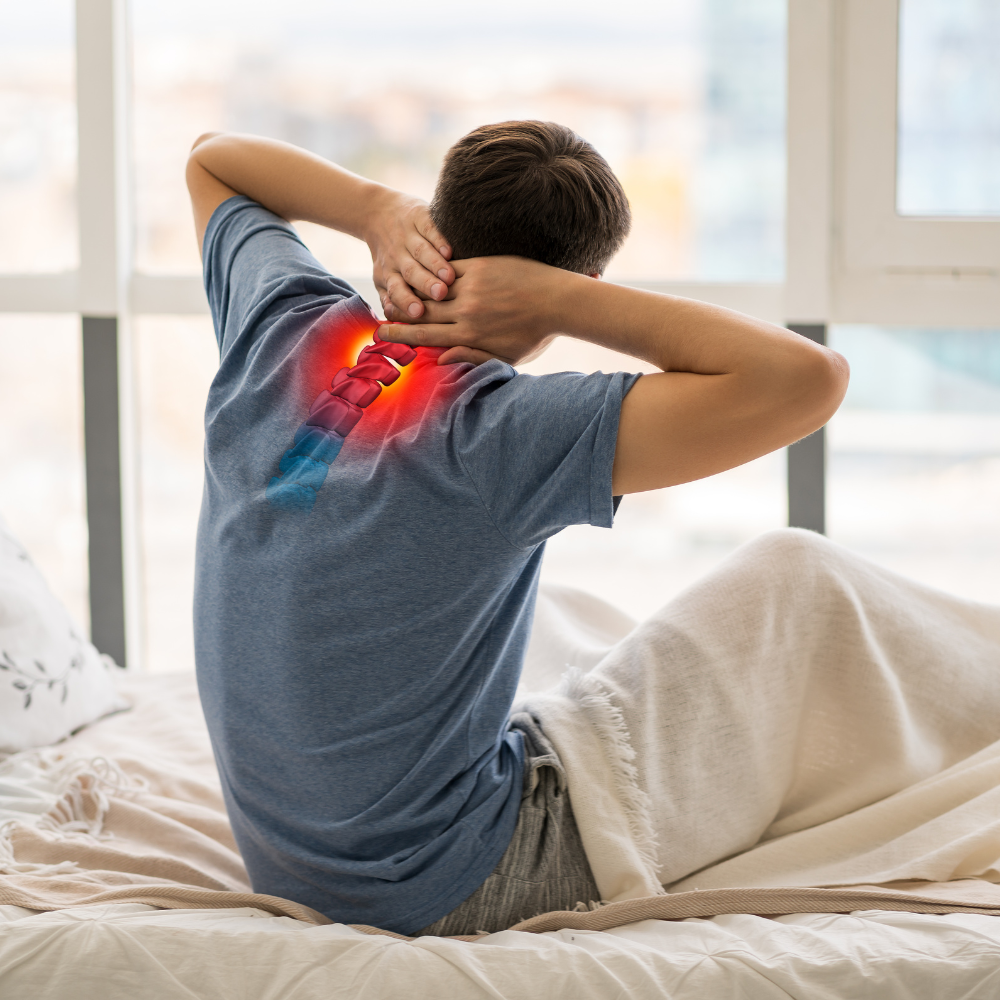
Cervical neuralgia, more commonly known as neck pain, is a common condition that affects many people. This pain can be sharp, persistent, and limit your daily activities. It can also spread to the head, shoulders, arms, and even hands, making your life a misery. Cervical neuralgia can have multiple causes, ranging from muscle tension to more serious issues like arthritis or herniated discs.
Understanding the Causes of Cervical Neuralgia
It can be triggered by a variety of factors, some of which are related to your lifestyle and others to specific medical conditions. Among the most frequent causes are:
- Poor Posture: Spending long hours sitting in front of a computer or behind the wheel without proper posture can put pressure on the neck muscles, leading to tension and pain. Prolonged static positions, such as those adopted during office work or driving, can lead to muscle weakness and reduced neck mobility. Additionally, if you use your mobile phone frequently, you are likely to adopt a slumped posture, which excessively strains the neck muscles.
- Sudden Head Movements: A sudden movement of the head, such as whiplash during a car accident, can damage the muscles and ligaments of the neck, causing cervical neuralgia. These injuries, known as "whiplash," can cause immediate pain or manifest a few days or weeks after the accident.
- Muscle Tension: Stress, anxiety, and a lack of physical exercise can contribute to muscle tension in the neck and shoulders, leading to cervical neuralgia. Chronic stress can lead to involuntary muscle contraction, which results in neck stiffness and pain. Furthermore, a lack of physical activity can weaken the neck muscles and make them more susceptible to tension.
- Herniated Disc: A herniated disc in the cervical region can compress the nerves, causing intense pain, numbness, and tingling in the neck, shoulders, and arms. Intervertebral discs act as shock absorbers between the vertebrae. When one of these discs moves or ruptures, the gelatinous core inside can compress nearby nerves. This compression can lead to radicular pain, which radiates along the path of the affected nerve.
- Arthritis: Arthritis, which affects the joints, can also cause inflammation and pain in the cervical spine. Osteoarthritis, the most common form of arthritis, can damage the cartilage in the joints of the cervical spine, leading to pain, stiffness, and reduced neck mobility.
- Torticollis (Stiff Neck): Torticollis, a sudden and painful contraction of the neck muscles, can lead to intense cervical neuralgia. Torticollis is often caused by poor posture, uncomfortable sleeping, or exposure to cold. Muscle contraction leads to pain and difficulty turning the head.
Symptoms of Cervical Neuralgia: Recognizing the Signs
The symptoms of cervical neuralgia vary from person to person, but the most common include:
- Intense Pain: The pain can be sharp, throbbing, or dull and radiate from the nape of the neck to the shoulders, arms, and hands. It can be constant or occur in episodes, and can be worsened by certain head movements or pressure on the neck.
- Neck Stiffness: Difficulty moving the head in different directions. You may feel limited neck mobility, making it difficult to rotate your head or tilt it forward or backward.
- Sensitivity to Touch: The neck may be painful to the touch, especially at specific points. The neck muscles may be tight and sensitive to palpation, which makes wearing tight clothing or pressure on the neck uncomfortable.
- Numbness or Tingling: A feeling of pins and needles or numbness in the arms, hands, or fingers. These symptoms are caused by nerve compression in the cervical region.
- Headaches: Headaches are common, often localized at the back of the head or the back of the neck. The pain can be constant or occur in episodes, and can be worsened by neck tension.
- Dizziness: Some people may experience dizziness or vertigo related to neck pain. These symptoms can be caused by the compression of nerves that control balance.
- Difficulty Swallowing: In some cases, neck pain can radiate to the throat and make swallowing difficult.
- Referred Pain: Pain can spread to the shoulders, arms, and hands, which can limit the range of motion and the ability to perform daily tasks.
Natural Solutions to Relieve Cervical Neuralgia
Before resorting to medical treatments, there are natural solutions to relieve neck pain and improve your comfort. Here are some approaches to explore:
- Apply Heat or Cold: Heat can relax tense muscles while cold can reduce inflammation. Apply a hot or cold compress for 15 to 20 minutes at a time. You can alternate between heat and cold for optimal relief.
- Neck Stretching Exercises: Gentle and controlled movements can help improve neck flexibility and relieve muscle tension. It is important to consult a healthcare professional or physical therapist to learn stretching exercises adapted to your situation.
- Therapeutic Massage: A professional massage can relax neck muscles, improve blood circulation, and reduce pain. A targeted therapeutic massage can help release muscle tension, improve neck mobility, and reduce pain.
-
Use a Lotuscare Acupressure Pillow: This pillow is designed to stimulate specific points on the body, which can help relieve pain and muscle tension. The Lotuscare Acupressure Pillow is made of 100% buckwheat hulls, making it perfectly cushioned for optimal relaxation and relief.

- You can use this pillow to massage your neck and shoulders for a few minutes each day. This can help relax the muscles and reduce pain.
- Relaxation Techniques: Stress can exacerbate neck pain. Yoga, meditation, deep breathing, and other relaxation techniques can help manage stress and relieve muscle tension. Regular relaxation techniques can contribute to reducing stress and improving pain management.
- Good Posture: Proper posture is essential to prevent neck pain. Ensure you have correct posture when sitting, standing, and sleeping. This means maintaining a straight spine, relaxed shoulders, and a head aligned with the body.
- Regular Exercise: Regular physical exercise can help strengthen neck muscles and improve posture. It is important to choose exercises that do not put excessive strain on the neck. Back and shoulder strengthening exercises can help maintain good posture and reduce neck pain.
- Avoid Sudden Movements: Try to move your head and neck in a gentle and controlled manner, avoiding sudden movements that may aggravate the pain.
When to Consult a Healthcare Professional?
If the neck pain is intense, does not disappear after a few days, or is accompanied by other symptoms such as numbness, tingling, muscle weakness, or a fever, it is important to consult a healthcare professional. A doctor or physical therapist will be able to determine the cause of the pain and recommend the most appropriate treatment. If the pain is caused by an underlying medical condition, specific treatment will be necessary to manage the pain and prevent further complications.
Taking Care of Your Neck for a More Comfortable Life
Cervical neuralgia can be a painful and uncomfortable experience, but there are solutions to relieve it. By understanding the causes, adopting healthy practices, and consulting a professional if necessary, you can manage neck pain and regain optimal comfort. Remember that taking care of your neck is essential for a more comfortable and active life. By taking a proactive approach, you can prevent and manage cervical neuralgia, allowing you to fully enjoy your daily life.