
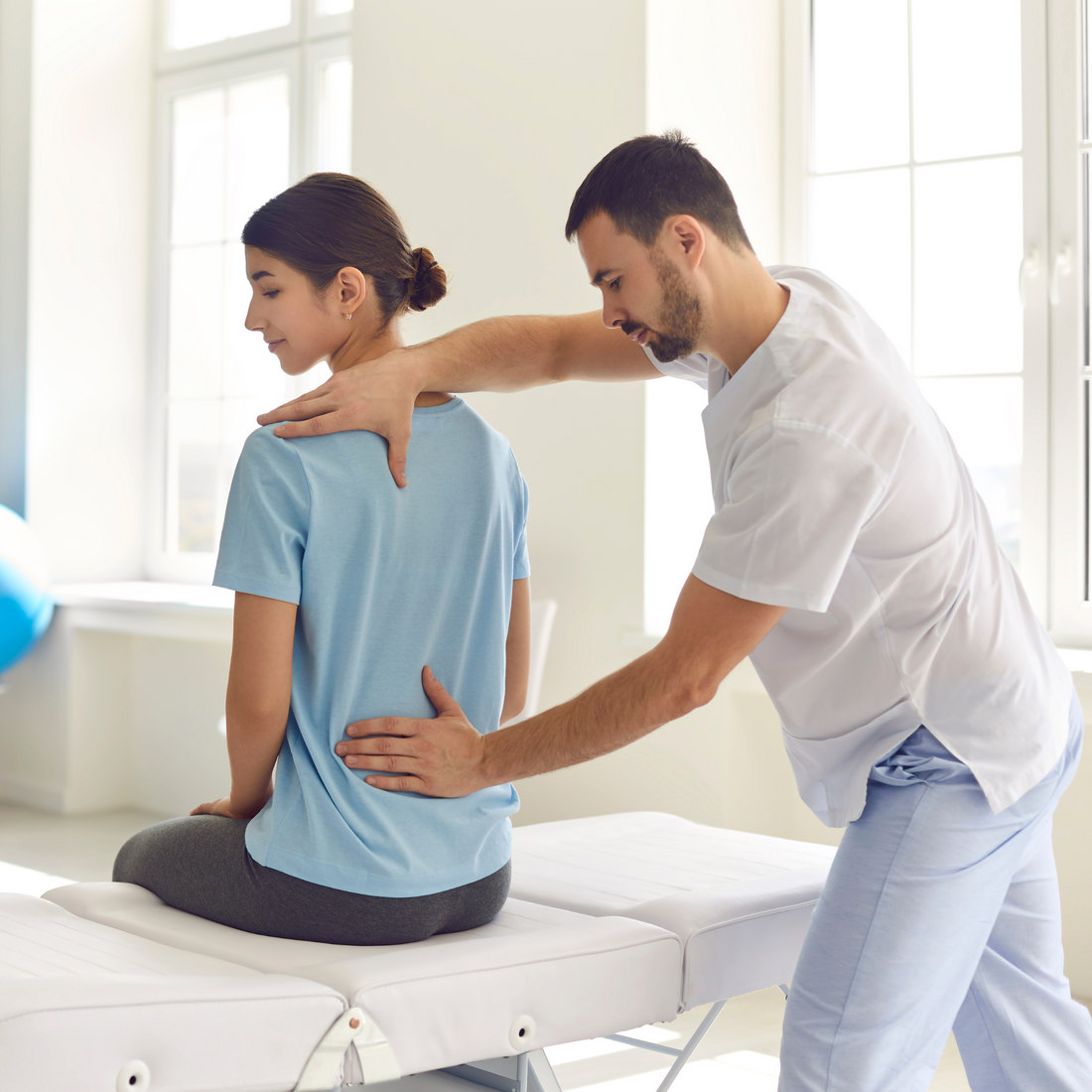
Scoliosis: Causes, symptoms, treatments and prevention
Scoliosis: Causes, symptoms, treatments and prevention
Scoliosis is a complex deformity of the spine that affects many people around the world. It is characterized by a lateral curvature of the spine, forming an S or a C shape. This condition can have a significant impact on the quality of life of those who suffer from it, but with appropriate management, it is possible to manage scoliosis effectively.
Causes of scoliosis
Scoliosis can be caused by various factors, including:
- Genetic factors: certain forms of scoliosis can be hereditary. If a close family member has scoliosis, you have a higher risk of developing the condition.
- Muscle problems: muscle imbalances can lead to a curvature of the spine. For example, weak or unevenly developed back muscles can contribute to scoliosis.
- Congenital anomalies: some people are born with scoliosis due to spinal malformations. These anomalies can develop during pregnancy or be present at birth.
- Environmental factors: some studies suggest that environmental factors such as poor posture, carrying heavy loads, or excessive use of digital technology may contribute to the development of scoliosis.
- Hormonal factors: certain forms of scoliosis, such as adolescent idiopathic scoliosis, are linked to hormonal changes that occur during puberty.
Symptoms of scoliosis
The symptoms of scoliosis can vary depending on the severity of the curvature. Common signs include:
- One shoulder higher than the other.
- Asymmetry of the rib cage.
- An imbalance in the hips.
- Back or muscle pain.
- Increased fatigue after prolonged physical activity.
- Visible deformity of the spine.
- Clothing that does not fit correctly.
- A feeling of stiffness in the back.
It is important to note that some people with scoliosis may have no symptoms. However, even in asymptomatic cases, it is essential to consult a healthcare professional for an accurate diagnosis.
Scoliosis treatments
Scoliosis treatment depends on the severity of the curvature, the age of the patient, and the progression of the condition. Treatment options may include:
- Regular monitoring: for mild curves that are not progressing rapidly. In these cases, the doctor may recommend regular check-ups to monitor the progression of the scoliosis.
- Physical therapy: specific exercises can help strengthen muscles and improve posture. Physical therapy may be recommended for mild to moderate curves to prevent further progression of the curvature.
- Bracing: for moderate curves, a brace may be recommended to prevent further progression. The brace is generally worn for several hours a day and can help stabilize the spine.
- Surgery: in severe cases of scoliosis, when the curvature is severe and continues to progress, surgery may be necessary to correct the curvature and stabilize the spine. Scoliosis surgery involves attaching metal rods to the spine to maintain the corrected curvature.
Scoliosis prevention
Unfortunately, there is no sure and proven way to completely prevent scoliosis. However, there are some measures you can take to maintain a healthy spine:
- Adopt good posture: by maintaining correct posture, especially when sitting or standing for long periods, you can reduce the strain on your spine.
- Engage in regular physical activity: regular exercise, especially activities that strengthen back and abdominal muscles, can help maintain a strong and healthy spine.
- Avoid carrying heavy loads incorrectly: when lifting heavy objects, be sure to use your leg muscles rather than your back muscles to minimize stress on the spine.
- Take regular breaks when using digital devices: spending long hours in front of a screen can lead to poor posture and excessive strain on the spine. Take regular breaks to stretch and rest your back.
- Avoid positions and movements that put excessive strain on your spine: this may include activities such as carrying heavy loads on one side, prolonged use of poor posture, or participating in sports with a risk of back injury.
- Consult a healthcare professional for regular screening: especially if you have a family history of scoliosis or if you have concerns about your spinal health.
In conclusion, scoliosis is a complex spinal condition that can have a significant impact on daily life. It is essential to consult a healthcare professional for an accurate diagnosis and an adapted treatment plan. With appropriate management, it is possible to effectively manage scoliosis and maintain an optimal quality of life. By following prevention tips and working closely with your medical team, you can minimize complications and live fully despite this condition.