
What is shoulder tendinitis and how can it be relieved?
What is shoulder tendinitis and how can you relieve it? A complete guide
Shoulder pain, also known as scapulohumeral periarthritis or shoulder tendinitis, is a common condition that can disrupt your daily life. But don't worry, this complete guide will explain everything you need to know about shoulder tendinitis, from its causes to its treatment, including solutions for pain relief and prevention methods.
Understanding shoulder tendinitis: a tendon problem
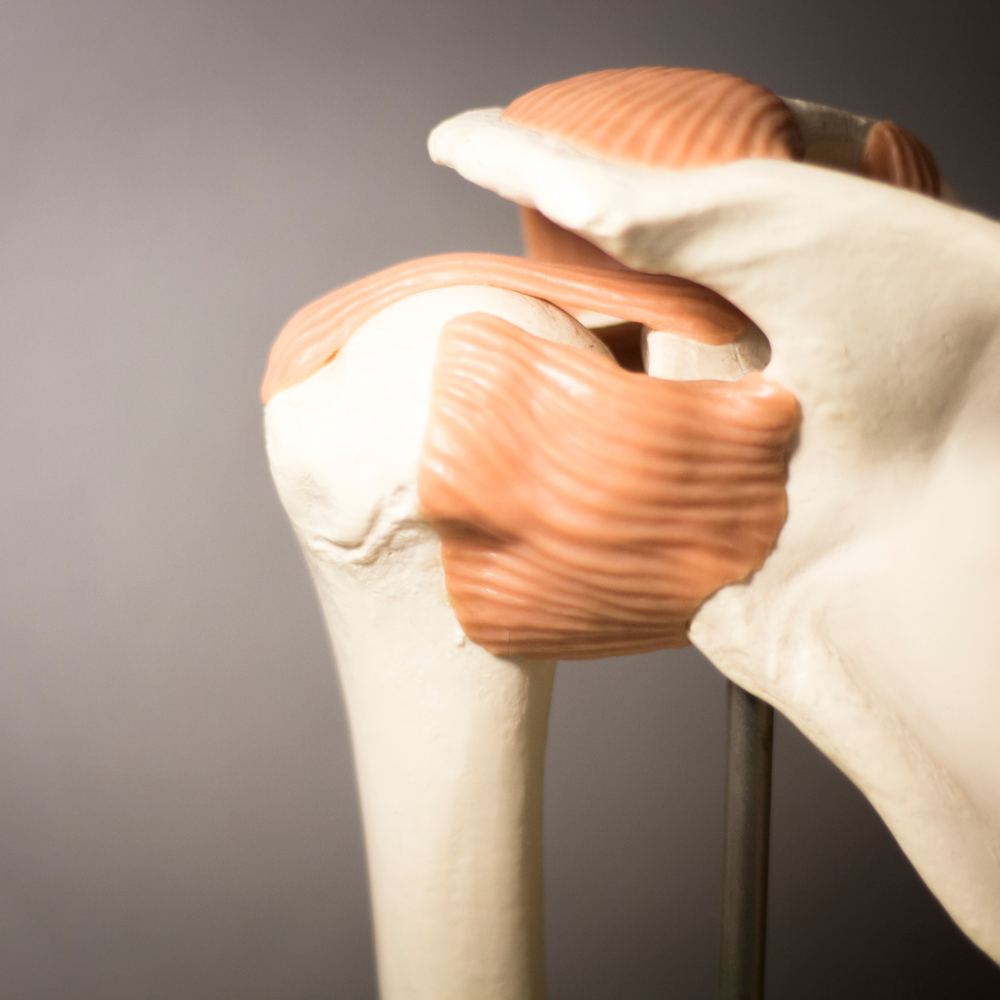
Before diving into the solutions, it is essential to understand what is actually happening. Your shoulder is a complex joint composed of several tendons, muscles, and ligaments that work together to allow a wide range of motion. Tendinitis occurs when these tendons are irritated or inflamed, often due to overuse or injury.
Think of your tendons as cords that connect your muscles to your bones. When these "cords" are excessively stressed, they can tighten, become inflamed, and grow painful. The pain may be dull, sharp, or even a burning sensation, depending on the severity of the inflammation.
The causes of shoulder tendinitis: why is this happening to me?
Several factors can contribute to the development of shoulder tendinitis. Here are some frequent culprits:
- Sports: Throwing sports, tennis, volleyball, and swimming, among others, place heavy stress on the shoulder and increase the risk of tendinitis.
- Repetitive movements: Professional activities that involve repetitive overhead movements, such as computer work or painting, can also cause tendinitis.
- Poor posture: Poor posture, whether at work or in daily life, can place excessive pressure on the shoulder and tendons.
- Trauma: A fall, an injury, or a direct blow to the shoulder can damage the tendons and trigger tendinitis.
- Aging: With age, tendons lose elasticity and become more susceptible to injury.
- Certain diseases: Certain diseases, such as arthritis, can also increase the risk of tendinitis.
Symptoms of shoulder tendinitis: how to recognize it?
Pain is the most common symptom of shoulder tendinitis. This pain can vary in intensity, ranging from mild discomfort to intense pain that limits movement. Here are some signs to watch for:
- Shoulder pain, which may radiate to the arm or neck.
- Pain that is more intense at night or upon waking in the morning.
- Stiffness and decreased range of motion in the shoulder.
- Pain aggravated by certain movements, particularly overhead movements.
- Muscle weakness in the arm.
- Tenderness to the touch in the affected area.
Relieving shoulder tendinitis: solutions to help you
The treatment for shoulder tendinitis depends on the severity of the condition. In most cases, conservative measures are enough to relieve pain and promote healing. Here are some approaches:
- Rest: Avoid activities that aggravate your pain. Give your shoulder time to heal.
- Ice: Apply ice to the painful area for 15 to 20 minutes several times a day to reduce inflammation.
- Medication: Non-steroidal anti-inflammatory drugs (NSAIDs) may be prescribed to relieve pain and inflammation. However, always consult a doctor before taking medication.
- Physical therapy: A physical therapist can teach you exercises to strengthen the muscles around the shoulder and improve mobility.
- Brace: For extra support and to limit movements that aggravate the pain, using a brace can be beneficial. Discover the S500 Shoulder Brace!

The S500 Shoulder Brace offers exquisite comfort and precise support for your shoulders. Its cutting-edge technology provides intelligent compression, gentle warmth, and mobility assistance for greater support. It accelerates the recovery process, relieves your injuries, supports and compresses your shoulder, and protects it from further harm. Ideal for treating shoulder and neck-related pain! Available in sizes S, M, and L.
Preventing shoulder tendinitis: prevention is better than cure
It is often easier to prevent shoulder tendinitis than to treat it. Here are some tips to reduce your risk:
- Warm-up before exercise: Prepare your muscles before any physical activity to make them more resistant to injury.
- Regular stretching: Regular stretching helps maintain the flexibility and elasticity of the muscles and tendons.
- Good posture: Maintain good posture at work and in daily life to avoid overloading your shoulder.
- Ergonomics: Adjust your workstation to avoid repetitive movements and uncomfortable positions.
- Muscle strengthening: Strengthen the muscles around the shoulder to improve stability and injury resistance.
When to see a doctor?
If your pain persists despite home treatment, or if it is accompanied by other symptoms such as fever, redness, or significant swelling, consult a doctor or physical therapist. They will be able to provide an accurate diagnosis and recommend an appropriate treatment.
In conclusion
Shoulder tendinitis can be a painful condition, but it is often treatable. By understanding the causes, symptoms, and treatment options, you can take steps to relieve pain and prevent future injuries. Remember that using the S500 Shoulder Brace can provide you with valuable support in your recovery. Take care of your body!