
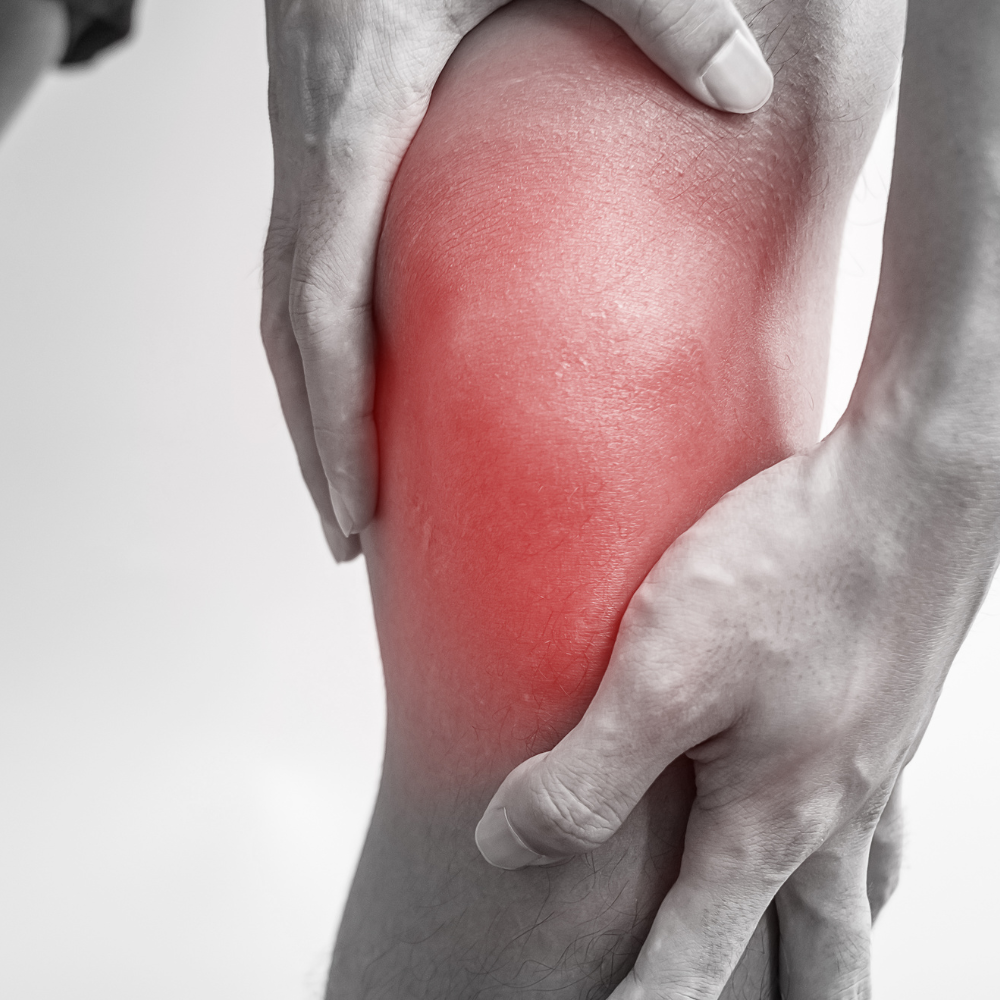
Patellofemoral pain syndrome: understanding knee pain, causes, treatments, and prevention
Patellofemoral pain syndrome: knee pain that should not be ignored
Do you feel knee pain—sometimes sharp, sometimes dull—located around the kneecap? You are not alone. Patellofemoral pain syndrome, also called anterior knee pain or chondromalacia patellae (though this latter term is more restrictive), is a common condition that affects many people, regardless of their age or level of physical activity. But what exactly is it? And above all, how can you relieve this pain and prevent it from worsening?
It is not just simple pain; it is a syndrome, meaning a set of signs and symptoms related to a dysfunction of the kneecap (or patella) and the structures surrounding it. Imagine your kneecap as a small marble sliding in a groove. If this sliding is disrupted, it creates friction, inflammation, and… pain. This pain can be localized in different areas around the kneecap, and its intensity can vary considerably from one person to another.
The multiple causes of patellofemoral pain syndrome: a complex puzzle
There is no single cause for patellofemoral pain syndrome, but rather a set of factors that can interact with one another. It is a bit like a puzzle: you have to assemble several pieces to understand the origin of the pain. Here are the most frequent pieces:
-
Anatomical factors: a genetic predisposition?
Some people are born with a knee anatomy that makes them more predisposed to patellofemoral pain syndrome. This can include a malformation of the kneecap, a deformity of the femur's articular surface, or ligamentous hyperlaxity. These anomalies can alter the mechanics of the knee and promote friction of the kneecap.
-
Biomechanical factors: how your body moves
The way you walk, run, or jump can influence the stress on the kneecap. Poor posture, excessive pronation of the feet (feet rolling inward), internal rotation of the tibia, or asymmetry of the lower limbs can unbalance the forces acting on the knee. Poor foot placement during sports activity or simply wearing inappropriate shoes are non-negligible elements.
-
Muscular factors: the role of stabilizing muscles
The muscles surrounding the knee, notably the quadriceps (at the front of the thigh) and the hamstrings (at the back of the thigh), play a crucial role in the stability of the kneecap. A muscular imbalance, weak muscles, or muscles that are too tight can disrupt the alignment of the kneecap and promote the appearance of patellofemoral pain syndrome. A weak quadriceps, for example, can accentuate the pull of the kneecap, creating friction and therefore pain.
-
Repeated microtrauma: the progressive wear of cartilage
Repeated efforts on the knee, such as during the intensive practice of certain sports (running, cycling, tennis, etc.), can lead to repeated microtrauma to the cartilage under the kneecap. In the long term, this microtrauma leads to inflammation and the degradation of the cartilage, increasing pain and sensitivity.
-
Overweight and obesity: additional weight on the joints
Excess weight exerts additional pressure on the joints, particularly the knee. This increases the risk of developing patellofemoral pain syndrome and can aggravate symptoms in people already affected. Weight loss can be beneficial for relieving pain and improving knee function.
Recognizing the symptoms of patellofemoral pain syndrome: pain, cracking, stiffness…
The primary symptom of patellofemoral pain syndrome is pain, localized at the front of the knee, often around or under the kneecap. This pain can vary in intensity, ranging from slight discomfort to intense pain that makes walking difficult. It is often aggravated by certain activities such as:
- Going up and down stairs
- Running
- Squatting
- Crouching
- Sitting for long periods
Other symptoms can accompany the pain, such as:
- Cracking or popping in the knee
- A feeling of locking or stiffness in the knee
- Swelling of the knee (less frequent)
- Sensitivity to touch around the kneecap
Treatment of patellofemoral pain syndrome: a multidisciplinary approach
The treatment of patellofemoral pain syndrome is often conservative, meaning it does not require surgery. The goal is to relieve pain, reduce inflammation, and restore knee function. Several approaches can be combined:
-
Rest and activity adaptation: listening to your body
Avoid activities that aggravate the pain. Adapt your physical activities to your level of pain tolerance, favoring low-impact activities.
-
Ice and compression: reducing inflammation
Applying ice to the knee can help reduce inflammation and relieve pain. The use of a compression bandage can also be beneficial.
-
Medication: anti-inflammatories and analgesics
Non-steroidal anti-inflammatory drugs (NSAIDs) may be prescribed to reduce pain and inflammation. Analgesics can be used to relieve intense pain.
-
Physical therapy: rehabilitation and muscle strengthening
Physical therapy plays an essential role in the treatment of patellofemoral pain syndrome. A physical therapist will suggest specific exercises to strengthen the thigh muscles, improve knee mobility, and correct muscular imbalances. This is vital for complete and lasting recovery. Learning proper postural habits is also an important part of rehabilitation.
-
Orthotics: supporting the kneecap and reducing friction
Knee braces or orthopedic insoles can help support the kneecap, correct poor posture, and reduce friction. The choice of orthotic will depend on the specific cause of the patellofemoral pain syndrome.
In cases most resistant to conservative treatment, surgical intervention may be considered. This remains exceptional and is reserved for extreme cases and after having tried all conservative alternatives.
Prevention of patellofemoral pain syndrome: acting before the pain appears
It is much easier to prevent patellofemoral pain syndrome than to treat it. By adopting good habits, you can significantly reduce your risk of developing this condition:
-
A rigorous warm-up: preparing muscles for work
Before any physical activity, a careful warm-up is essential to prepare the muscles and joints for exertion. Gentle and progressive stretches should be included.
-
Muscle strengthening: a solid foundation for the knee
Regular exercises to strengthen the thigh muscles, particularly the quadriceps and hamstrings, are essential for improving knee stability and reducing stress on the kneecap. Specific exercises, guided by a professional, help optimize strengthening.
-
Correct posture: avoiding bad habits
By adopting good posture in your daily life, whether sitting or standing, you reduce the pressure on the knee. Relaxed shoulders, a straight back, and attention to the position of the hips and knees are key.
-
Appropriate footwear: essential support
Wearing shoes adapted to your physical activity and your body type is important for good weight distribution and better knee stability.
-
Weight management: an impact on the joints
Overweight or obesity exerts excessive pressure on the knee joints. Weight loss, if necessary, can significantly improve your condition and prevent future complications.
-
Listening to your body and taking rest: avoiding overload
In case of pain or discomfort, do not hesitate to reduce the intensity of your exercises or take a break. Listening to your body is paramount to preventing overload and injury.
In conclusion, patellofemoral pain syndrome is a multifactorial condition that can be managed effectively with a personalized approach. If you suffer from knee pain, do not hesitate to consult a healthcare professional (doctor, physical therapist, osteopath) to obtain a precise diagnosis and a treatment plan adapted to your situation. Early diagnosis and appropriate management help avoid the worsening of symptoms and restore optimal knee mobility.