
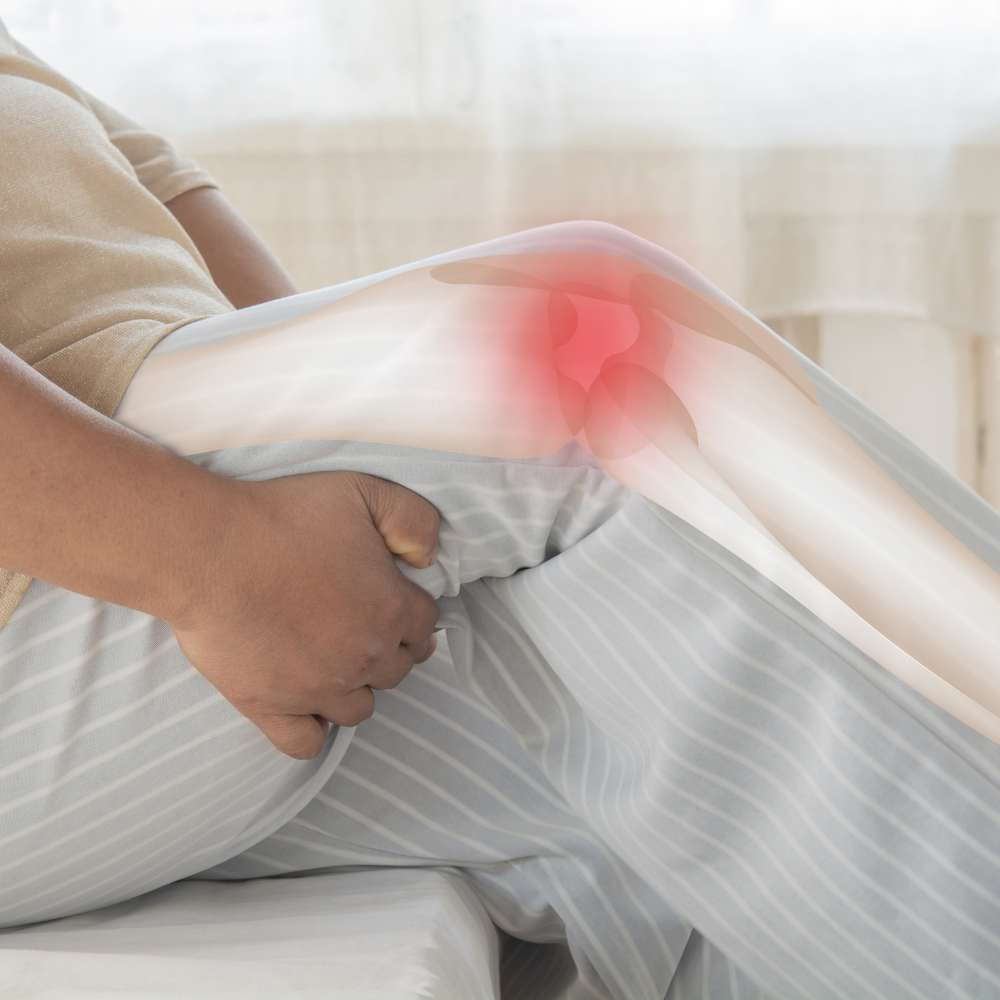
Musculoskeletal disorders and menopause: understanding the links and finding solutions
Menopause: a life stage rich in change
Menopause, that pivotal period in a woman's life, marks the end of menstruation and a series of profound hormonal transformations. Although often associated with hot flashes and sleep disturbances, menopause can also have a significant impact on musculoskeletal health, causing pain and discomfort for many women. If you have been experiencing stiffness, joint or muscle pain, or increased bone fragility since the onset of your menopause, know that you are not alone. Understanding the links between menopause and musculoskeletal problems is the first step toward finding effective solutions and improving your daily life.
Key factors explaining increased vulnerability
Several factors contribute to the increase in musculoskeletal disorders during menopause. The main one is the significant drop in estrogen, the key female hormone that plays a crucial role in maintaining bone and joint health. This hormonal decrease triggers a cascade of effects, directly impacting the health of the skeleton and muscles.
1. Bone weakening: osteoporosis on the horizon
Estrogen contributes to bone formation and prevents bone resorption, the process of bone degradation. With the decrease in estrogen, bone resorption accelerates, which increases the risk of osteoporosis, a disease characterized by a decrease in bone density and bone fragility. This makes bones more susceptible to fractures, even following minor falls. Bone and joint pain then become more frequent and intense.
2. Decrease in muscle mass: sarcopenia sets in
Menopause often leads to a loss of muscle mass, known as sarcopenia. This decrease in muscle strength makes joints more vulnerable to injury and pain. Simple movements, once easy, can become difficult and painful. This muscle weakness can contribute to poor posture and postural imbalances, worsening back and joint pain.
3. Changes in body composition: increased weight on the joints
Hormonal changes can also influence body fat distribution, often leading to weight gain. This excess weight puts extra pressure on the joints, accentuating pain and discomfort. Being overweight or obese places a significant load on the knees, hips, and back, aggravating existing joint problems.
4. The role of inflammation: a chain reaction
Menopause is often associated with an increase in inflammation in the body. This inflammation can worsen joint and muscle pain, contributing to the symptoms experienced by menopausal women. Conditions like arthritis can be exacerbated during this period.
Solutions to relieve pain and improve your well-being
Although menopause is a natural stage of life, it is important to take care of yourself and adopt strategies to mitigate the adverse effects on musculoskeletal health. Several approaches can be beneficial:
1. Physical activity: an essential pillar
Regular and adapted physical exercise is essential for maintaining muscle strength, bone density, and flexibility. Low-impact activities like walking, swimming, cycling, or yoga are particularly recommended. Exercise helps reduce pain, improve balance, and prevent falls.
2. Diet: nutrients for bone health
A balanced diet rich in calcium, vitamin D, and protein is essential for bone and muscle health. Dairy products, leafy green vegetables, fatty fish, and almonds are excellent sources of these nutrients. Sufficient protein intake is crucial for building and maintaining muscle mass.
3. Acupressure: a natural approach to pain relief
Acupressure, a technique from traditional Chinese medicine, can help relieve musculoskeletal pain. It involves stimulating specific points on the body to relieve tension and improve blood circulation. The Lotuscare Acupressure Cushion, made of 100% buckwheat hulls, offers optimal comfort and targets pressure points to relieve pain and stress. It can be used to soothe several parts of the body: feet, thighs, buttocks, neck, back, and chest.

For more complete relief, the Lotuscare Acupressure Mat is an excellent option. With its 230 massage points, it provides deep relaxation and soothes muscle tension. Its coconut fiber filling and buckwheat hull cushion guarantee comfort and softness.

Important: Acupressure is not a substitute for medical treatment. It is always advisable to consult a healthcare professional for an accurate diagnosis and advice tailored to your situation.
4. Stress management: a crucial factor
Stress can worsen musculoskeletal pain. It is therefore important to implement strategies to manage your stress, such as relaxation, meditation, yoga, or activities that bring you pleasure.
5. Maintaining a healthy weight: a key goal
Weight control is paramount for reducing pressure on the joints. Adopt a balanced diet and regular physical activity to maintain a healthy weight.
6. Medical treatments: an option to explore
In some cases, medical treatments may be necessary to relieve pain and slow the progression of osteoporosis. Your doctor may prescribe medication or recommend other treatments tailored to your situation.
In conclusion: a global approach to a better quality of life
Menopause can have a notable impact on musculoskeletal health, but there are effective ways to mitigate the symptoms and improve your quality of life. Adopt a global approach, combining regular physical exercise, a balanced diet, stress management, and, if necessary, medical treatments. Do not hesitate to consult your doctor or a healthcare professional to obtain personalized advice and follow-up adapted to your needs. Taking care of yourself during menopause is an essential step in preserving your physical and mental well-being.